Talking about money with your young kids on a daily basis helps set them up for success as adults.
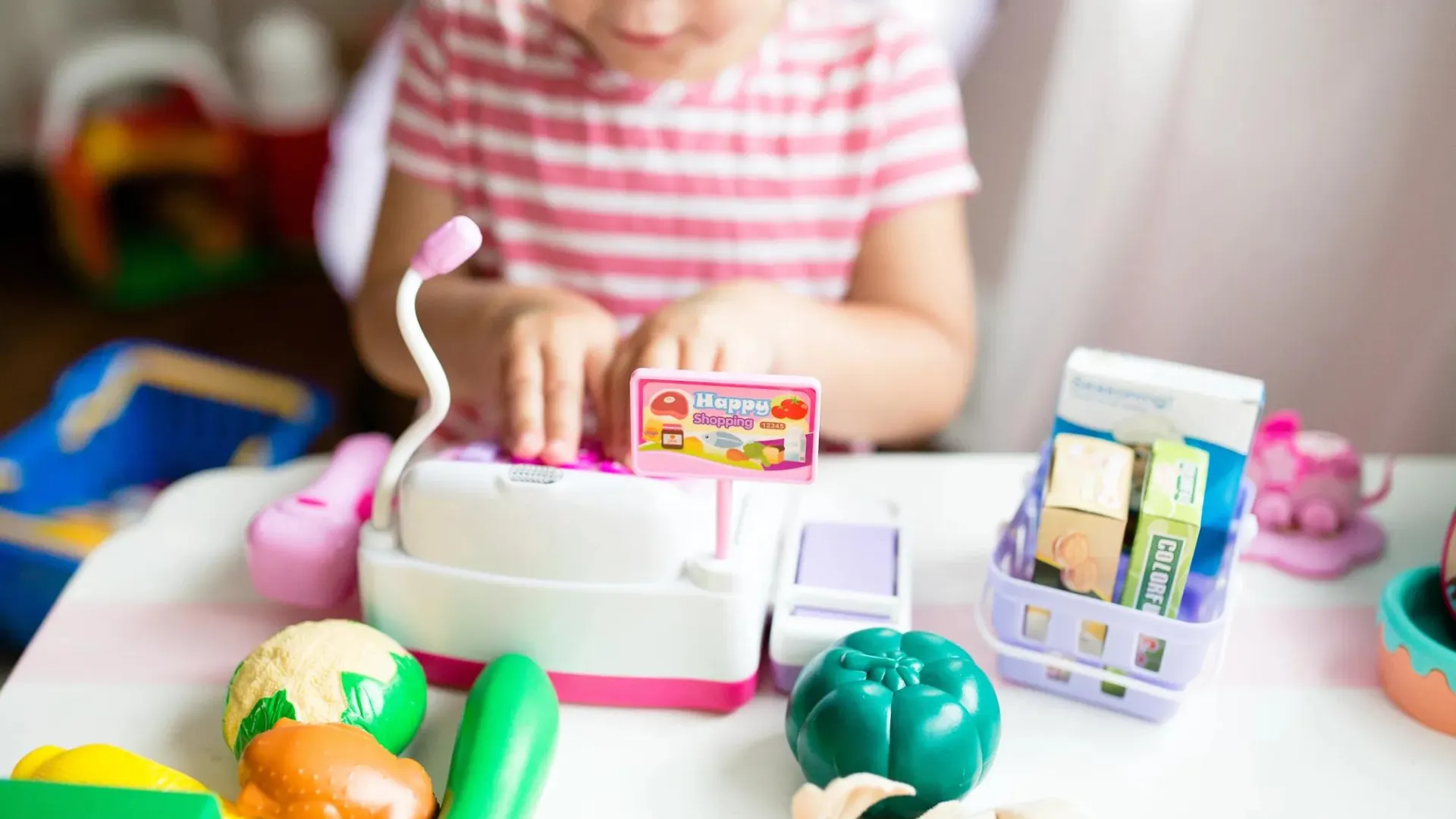
How do you help children understand that when you tap your card at the grocery store, you’re not making a mysterious, magical transaction? The key to helping little ones understand the way money works is by talking about money daily. And it’s best to start before while they’re young—some older studies say age 8.
Why 8? An often-cited Cambridge University study shows that financial habits form around age 7.In other words, by the time your child is in the third grade, they may have already formed thoughts about money. Consequently, starting a conversation with them about dollars and cents when they’re still a preschooler or kindergartner may be appropriate.
Unfortunately, it might be hard for parents to figure out how to explain earning, saving, spending, and budgeting to their kids. Part of that may be because they want to shield them from worry, but doing so can also prevent them from learning how money works. Here are some fun ways to help your child grasp important money concepts.
Children aren’t always attuned to wants versus needs. Discussing a topic such as making one choice over another helps them see the difference.
For example, maybe you support a specific charity by cutting back on certain nonessential expenses. You can explain to your child that you’re picking the less expensive cereal so that you have more money to donate to the food bank and help people who may be in need.
Show your child 10 $1 bills. Then, talk about how you could use that money. You could buy two $5 cups of coffee. Or you could buy several cans of soup.
You can also brainstorm ways to divide the money. This encourages kids to have a better understanding of how to allocate finances. And you might be surprised at what your children come up with on how to make the most of those funds.
Whether you set up an online savings account or put spare change in a big jar, putting money aside helps your kids visualize how money can grow. To show how money can grow faster, you can talk about deposits or interest. Or, you can figure out how much you need for a goal, such as a celebratory dinner, and save together. Again, this demonstrates that waiting (and saving) for something can be worth it.
Allowances can be good money-learning tools for kids. You can tie the amount to their age—for example, $5 on their fifth birthday, either weekly or monthly—and sit down with them to help them decide where the money goes, such as dividing it into saving, donations, and spending.
You may also think about augmenting the allowance by offering additional chores beyond regular to-dos. This allows your children to see how money can be earned, giving them a better sense of what you mean when you say you get paid for your work.
As your children grow, they can build on their money management knowledge. For example, as they’re deciding what to do after high school, they may be interested in college. If they need to take on some debt to finance school, you can help them navigate the current and future costs of those loans. And credit cards may become an option as a young adult, too. Have conversations about what happens if credit card spending gets out of control, and how it can lead to impulse buys, too. Sooner or later, your child will be an adult. When that time comes, you’ll worry less knowing that you made financial conversations a priority early in life.
Need help getting started on or fine tuning your budget? The budgeting tool in your Principal account might help. You can link accounts and track expenses to get an overall picture of your finances.